Part 1

The first time I remember that soul tug toward action around injustice in the world, I was five, crisscross-applesauce in front of the wood-sided floor-model console TV twisting and turning 1980’s orange-brown shag carpet loops between my small fingers. An infomercial for Child Help or National Child Abuse Prevention Week or some other child abuse awareness campaign with a blue background, a 1-800 number, and some sad music lit our dim living room violet in a far-flung corner of northern New Mexico.
I still remember its pull – that dawning of realization around the existence of human suffering, that sharp poke and pull of something being stitched into my being, a draw toward helping, toward alleviating the pain of another human being, toward service. I think I even asked my parents to donate to the cause which is a little humorous to me now, my five-year-old self with zero context for what any of it meant. It’s strange, isn’t it? Looking back on the moments that stand out in our psyche, the moments that glint and glimmer in the haze of a million memories, a million other moments lost to the dust of time…today, I recognize that memory as my first glimpse into a part of me that has driven a lot of my life in both really wonderful and really destructive ways.
Around a year after seeing that infomercial, we were pulling into the garage of our home in our golden brown Chevy Blazer; I remember my mom and dad talking in hushed and serious tones in the front seat; I remember the dark; I remember my sister’s stress-elevated tone in the question, “But what about Dixie?” Earlier that day in the dark small hours of the morning in another town in another state, two of my second cousins- the oldest, my sister’s age; the youngest a year and a half older than me- were shot by their father who then turned the gun on himself. I had never met their father, and at that point, I had only very vague memories of meeting those cousins as I was six, and we lived six hours away from our extended family. I don’t know what the circumstances were. I learned recently that he was a Vietnam veteran, likely deep in the throes of undiagnosed mental illness and alcoholism – an absolutely torturous existence, I’m sure. Dixie, 11, died pretty immediately, I think, and Jeremy, then 8, survived another 36 years, until he took his own life on Friday, June 9th, 2023.
No words could possibly hold the devastation that these events wrought on so many lives. It is too big, too heavy, too much…
At ten, I moved back to my parents’ hometown, and Jeremy and I became reacquainted. After the shooting, partial paralysis marked my cousin’s body, one arm held tight at his side accompanied by a slow persistent drag of one leg. Some kids at school were relentlessly mean about his body, about his horrific loss, and I cannot fathom the internal firestorm he endured every single day at an age when his only worries should have been math grades and acne and awkward school dances. And that part of me that showed up at 5 and 6 showed up again - angry at the unfairness of what had happened and was still happening to my phenomenal cousin.
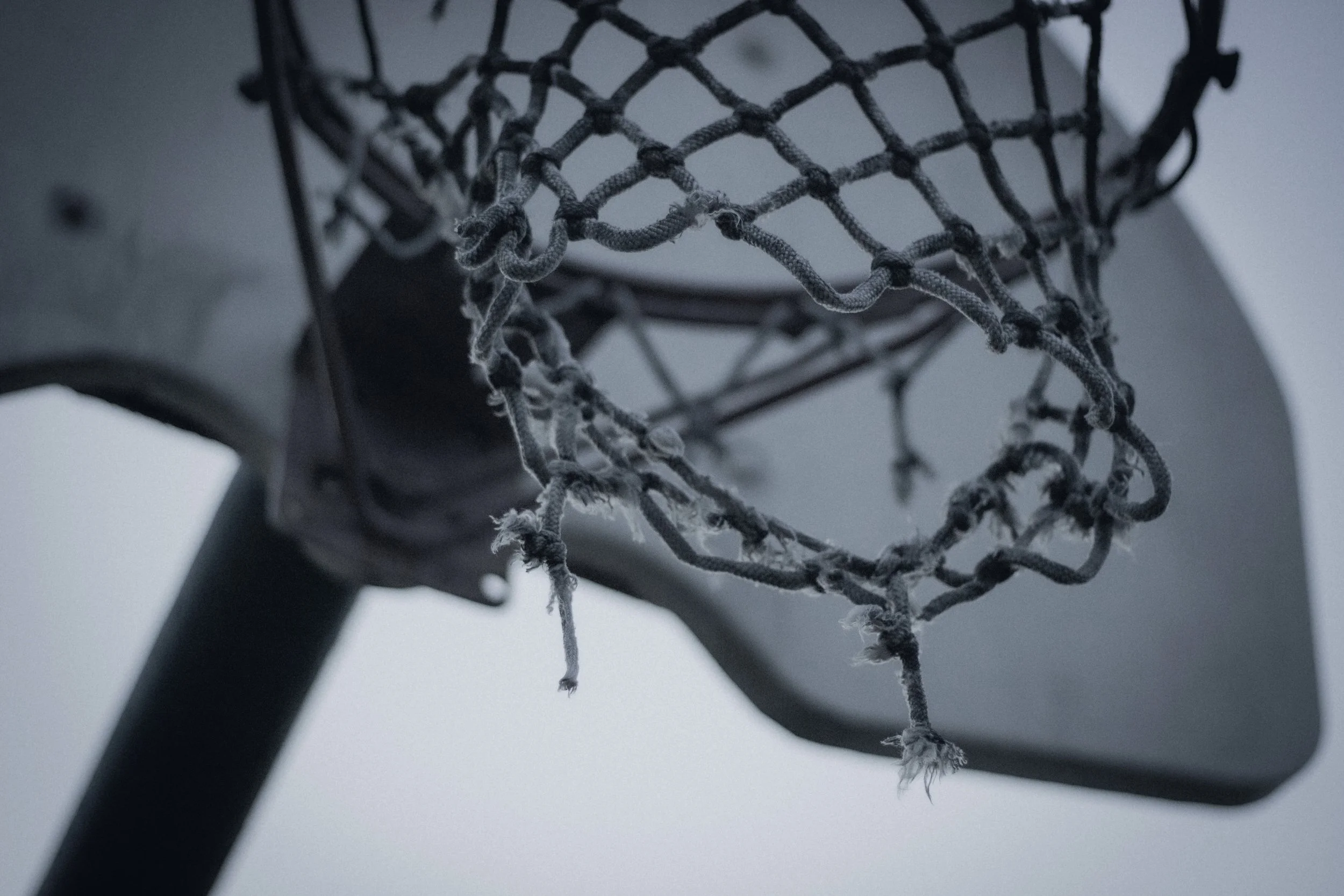
In my mind’s eye, he still lives, a pale-eyed boy of 12, kind, generous, teaching me to shoot baskets with his good arm in the frying summer aridity at our family reunion at a defunct school house in Otis, New Mexico - yellow grass wilting listlessly, visible heat rising zig-zagged from a decaying concrete court, Jeremy patiently picking goat heads the size of dimes out of the ball for me every time I missed the shot -which was every single time. I told him I was never going to be a good basketball player – I was much too short. He said with encouraging confidence that I could be good at anything if I just practiced…
These words - words from the incredibly strong mind and heart of a twelve-year-old who’d been to hell and back long before “fixed-and-growth mindset” (Carol Dweck) or “grit” (Angela Duckworth) ever entered our collective pop-psych rhetoric – these words are entombed in amber for me. In that one small moment, Jeremy taught me about resilience before I knew the term or that I would need it in my own life someday.
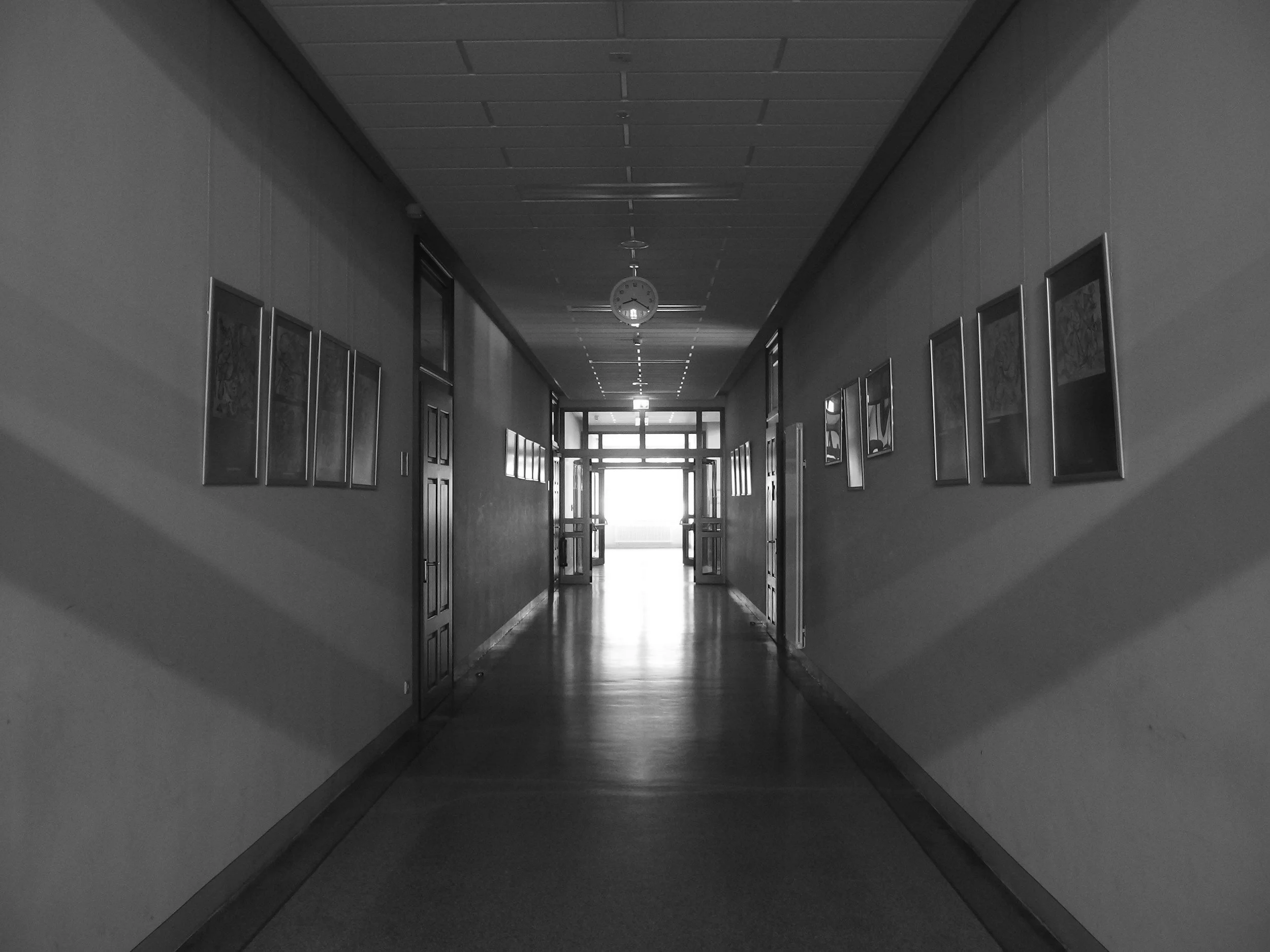
I can still see his wave and half-smiling, tilted nod at me across a sea of middle schoolers during our over-crowded passing period, our footfalls now ghostly echoes of our presence in a school building that has itself become defunct.
I didn’t know Jeremy after junior high, really; my family moved away, and our interactions were pretty limited even before that, but that part of me that showed up on my living room floor at 5 and in my garage at 6 and on a basketball court at 11 has wondered over the years what in the world happened inside the mind of my cousin’s father that led him to such a tragic, heart-breaking end at 36 years old and at what might’ve been had help been available early enough.
I know now that even the help we have available today might not have mattered for him. For all we understand today about trauma and brains and nervous systems, we know that trauma from war is different from other types of trauma and that it sometimes doesn’t respond to treatment in the same way that other kinds of trauma do. And all we really know is that we don’t know why. Regardless, I wish for every single person whose lives Jeremy’s touched that his father had been able to access any help that might’ve given them all a fighting chance.
In the midst of all that, even at eleven, I knew I wanted to be a particular kind of person, one who stopped, who cared, who might change the trajectory of even one life.
I could name a hundred other instances over the course of my life where that compassionate part, that just part showed up. In another middle school moment, a friend came to school bruised from where her father had hit her with a wooden oar. In high school, I often sat with friend living in the aftermath of a violent sexual assault. I’ve had, as many of us have had, friends who struggled with mental health, friends who were in abusive relationships, and friends who were taken too soon by random acts of violence.
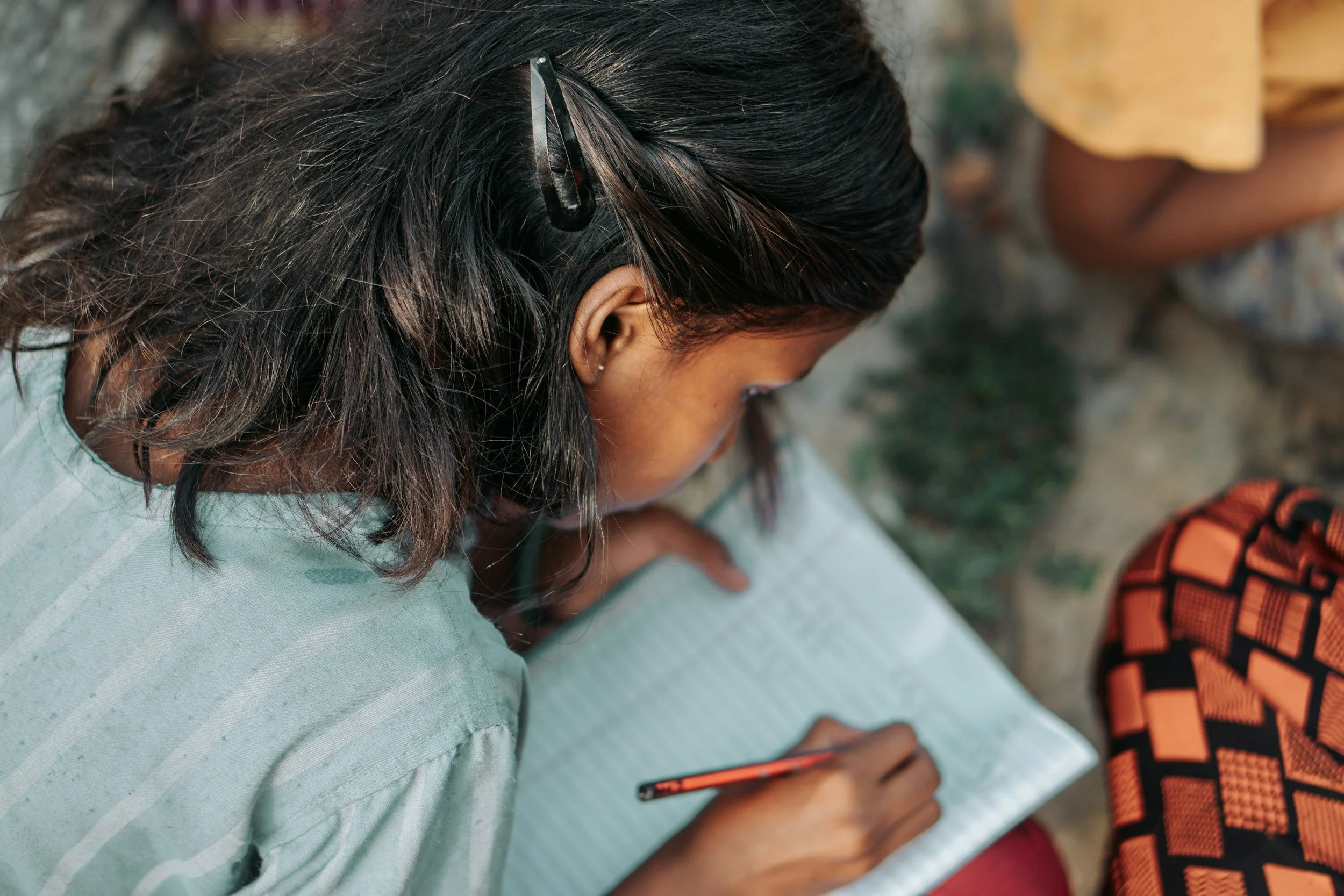
And finally, one Saturday morning in a dusty middle school classroom in a central valley farming community in southern California, as a burgeoning teacher, I gave twenty-seven squirrely ESL kids a pre-fab writing prompt about the best or worst day of their lives aimed at drawing out one solid paragraph just four sentences that we’d form and shape and pound like clay into something they could be proud of. 12-year-old Adylene took that prompt and wrote a full page about the day her father shot her mother and her mother’s boyfriend and she went to foster care, concluding with the shaky sentence, “I just want to wake up from this horrible, scary nightmare.”
I’ve never really recognized until this very moment, that that twelve-year-old struck a chord of familiarity in my biological, sub-verbal, sub-conscious memory of another vulnerable twelve-year-old from so many years before. Adylene’s writing, with that aching vulnerability from that little body housing that big, big soul, changed the trajectory of my life.
It was like that part of me that showed itself across the injustices in my existence snapped; I couldn’t take it anymore. It didn’t matter that I was mid-doctorate and working part-time with two babies in tow. It didn’t matter that we were barely financially stable ourselves. It didn’t matter that I was struggling through not-fully-recognized depression myself. I had to do something. That part of me that cared so deeply, the part driven hard by empathy and compassion and justice clicked into full engagement, and because I did not have any connection to self; because I did not know how to self-manage; because I did not know how to sit with uncomfortable emotions; because I had absorbed into the marrow of my bones through my faith and my culture that it was an anathema, a mortal sin, to have any needs of my own, the refrain of “deny yourself” draped heavy over my existence; because that compassionate, justice-bent part of me had not yet learned to hold the hand of my own internal wisdom, I blew right past all the gut-checks, all the red flags, all the concerns of my friends and family, all of the raised voices inside of me screaming at me to slow the hell down, and within a few years, after finishing my residency moving half-way across the country, starting intensive qualitative research with foster youth all across the state, taking my first full-time teaching job, losing a third pregnancy and stepping into a fourth, my husband and I licensed to become foster parents…
